Bicycling
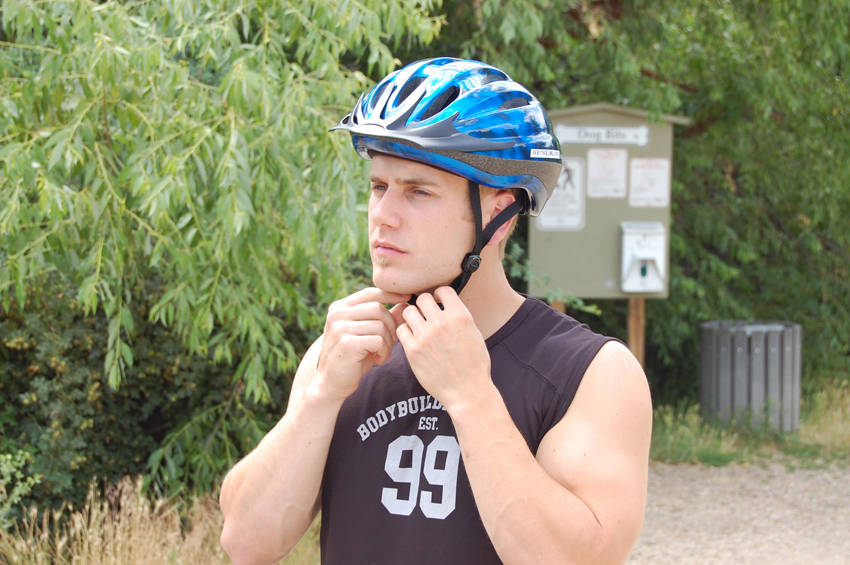
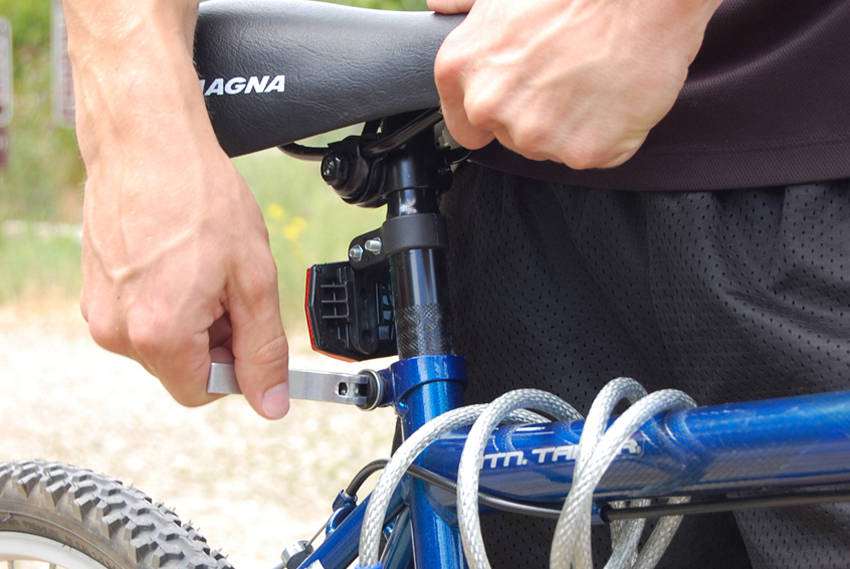
Outdoor or road cycling that develops lower body muscular endurance and cardiovascular fitness while being low-impact on the joints.
Instructions
- Adjust the bicycle seat to approximately hip height, allowing a slight bend in the knee at the bottom of the pedal stroke.
- Position your feet on the pedals with the ball of your foot over the pedal axis.
- Maintain an upright or slightly forward-leaning posture depending on your bike type.
- Begin pedaling at a steady cadence (typically 80-100 rpm), maintaining consistent pressure throughout the pedal stroke.
- Use a gear appropriate for your fitness level—you should be able to maintain steady breathing.
- Continue pedaling for the desired duration or distance.
- Keep your core engaged and avoid excessive upper body movement.
- Gradually increase intensity or duration as your fitness improves.
Tips
- Proper bike fit is crucial to prevent injury—seat height and position matter significantly
- Find a cadence that feels natural and sustainable for your fitness level
- Use lower gears for longer, easier rides and higher gears for shorter, intense efforts
- Stay hydrated, especially on longer rides
- Vary terrain and intensity to build cardiovascular fitness and muscular endurance
- Cycling is low-impact, making it excellent for recovery days or those with joint concerns
Recommended starting values
Sensible novice starting points for each goal, for a lifter aged 25–40. Scale down for smaller frames or older lifters. Treat the first set of any session as a discovery set.
| Goal | Sets | Distance |
|---|---|---|
| Gain strength | 3 | 300 m |
| Build muscle | 3 | 700 m |
| Build endurance | 3 | 1.3 km |
Alternatives
Exercises that target the same muscles with the same force and mechanic.
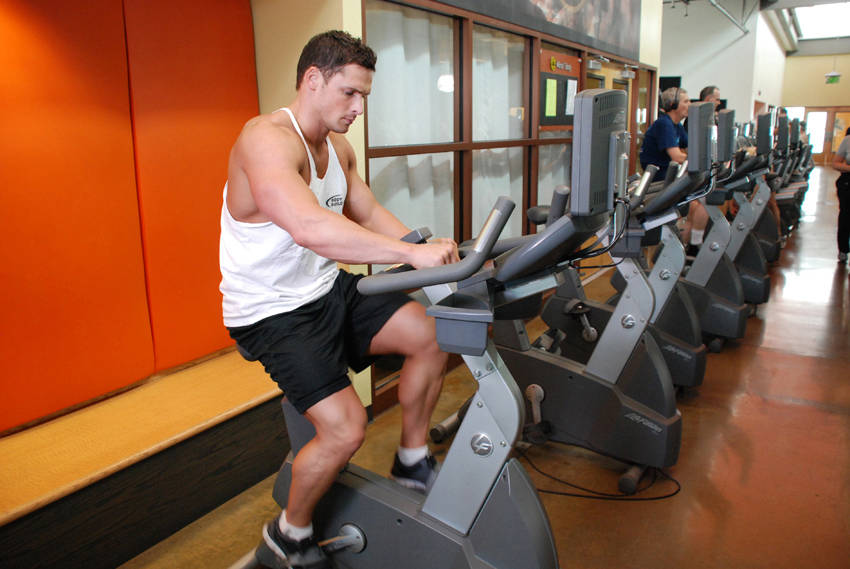
beginner cardio
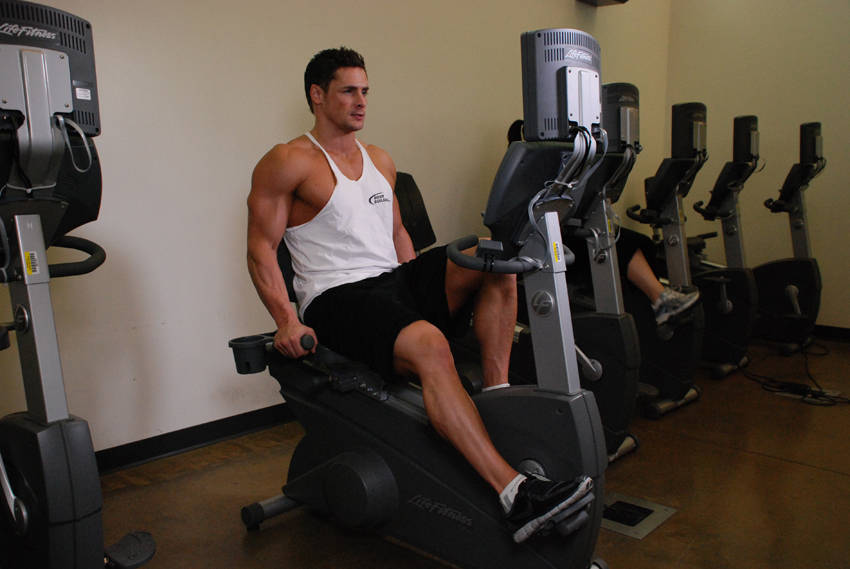
beginner cardio
intermediate cardio
Spinning
Learn more about spinning beginner cardio
intermediate cardio