Skating
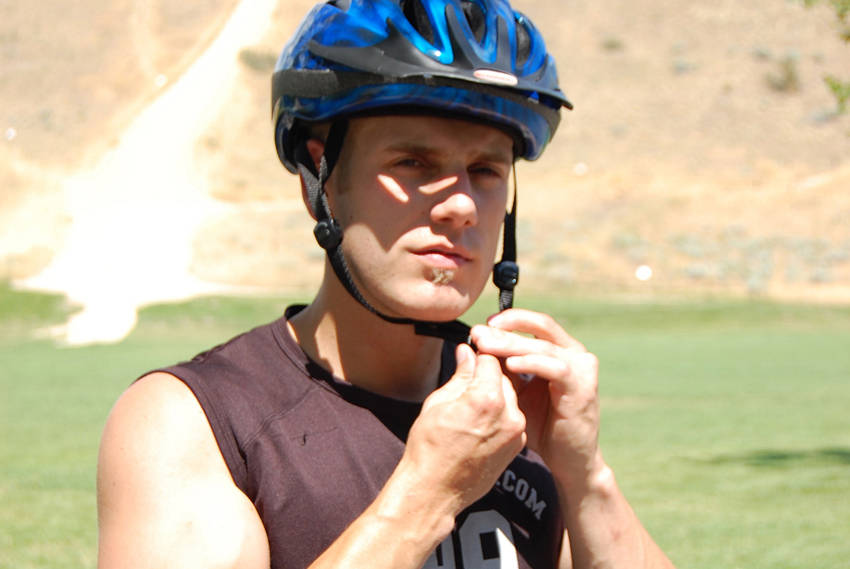
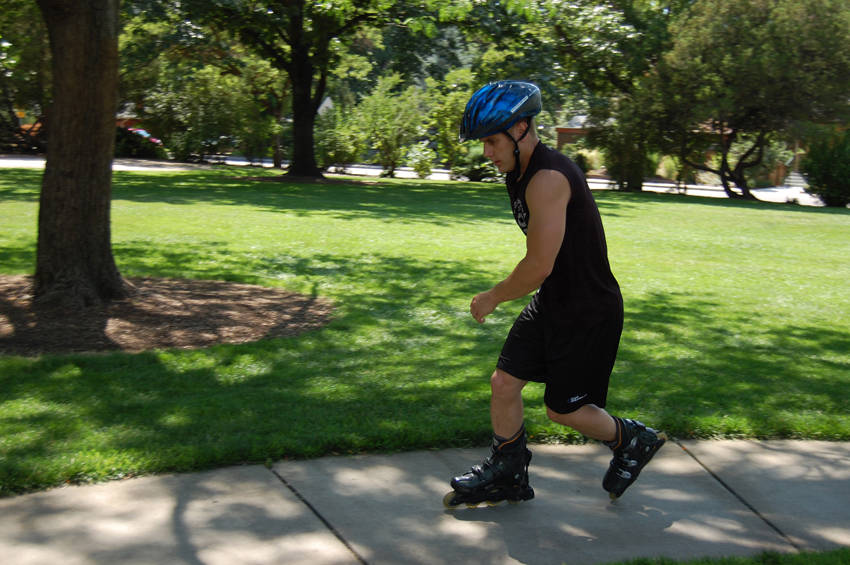
A cardiorespiratory exercise performed on roller skates that improves cardiovascular fitness while strengthening lower body muscles.
Instructions
- Put on roller skates and ensure they are properly fitted and secured with all straps fastened.
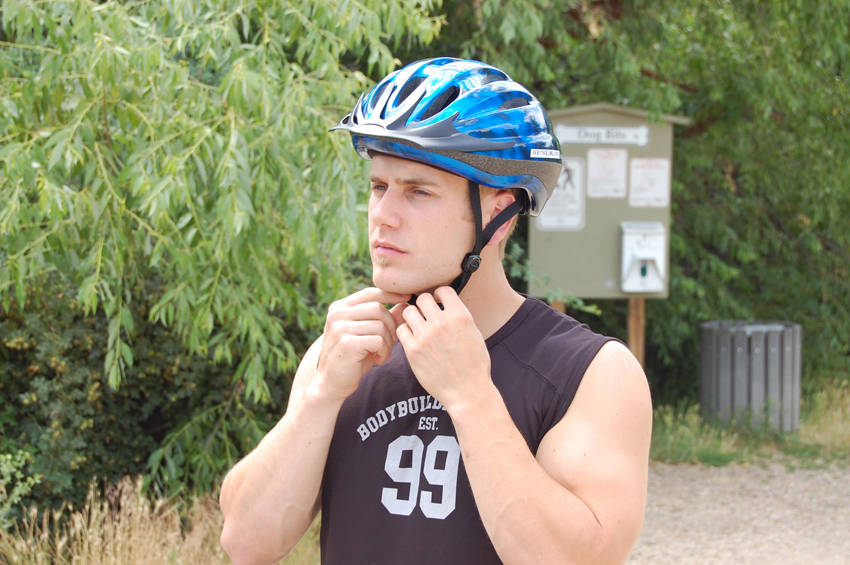
- Wear appropriate protective gear including helmet, wrist guards, elbow pads, and knee pads.
- Begin skating at a comfortable, controlled pace on a flat, smooth surface free of obstacles.
- Maintain an athletic posture with slight forward lean, knees bent, and core engaged.
- Practice basic movements including smooth forward propulsion, turning techniques, and stopping methods.
- Gradually increase speed and duration as your balance and coordination improve.
- For cardiovascular training, maintain a steady moderate pace for 20-30 minutes or longer.
- For high-intensity training, alternate 2 minutes of speed skating with 3 minutes of recovery pace.
Tips
- Always wear full protective gear, particularly a helmet, to prevent serious injury.
- Learn proper braking and stopping techniques before attempting high speeds.
- Start on smooth, flat terrain and progress to more challenging environments.
- Maintain good posture and engage your core for better balance and efficiency.
- A 150-pound person burns approximately 175 calories during 30 minutes of moderate-pace skating.
- Interval skating (alternating fast and slow pace) provides enhanced cardiovascular benefits.
Recommended starting values
Sensible novice starting points for each goal, for a lifter aged 25–40. Scale down for smaller frames or older lifters. Treat the first set of any session as a discovery set.
| Goal | Sets | Distance |
|---|---|---|
| Gain strength | 3 | 300 m |
| Build muscle | 3 | 700 m |
| Build endurance | 3 | 1.3 km |
Alternatives
Exercises that target the same muscles with the same force and mechanic.
beginner cardio
beginner cardio
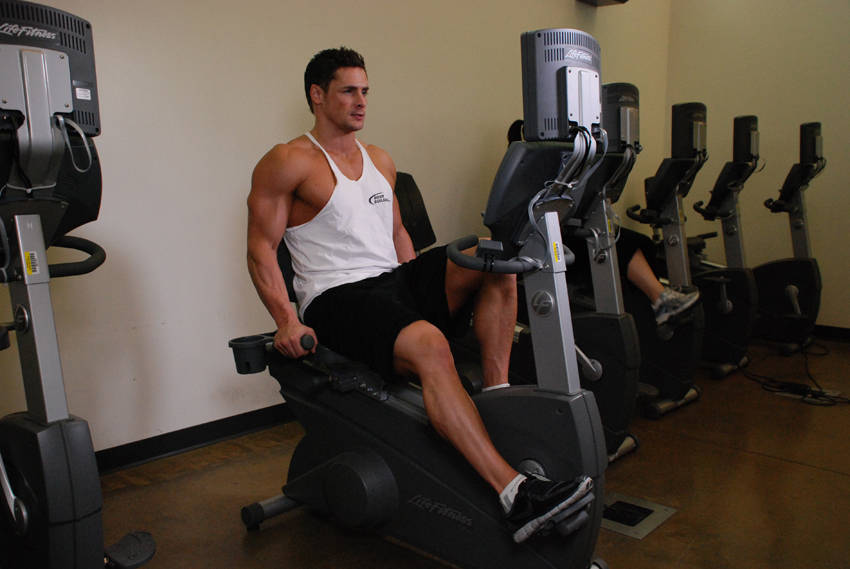
beginner cardio
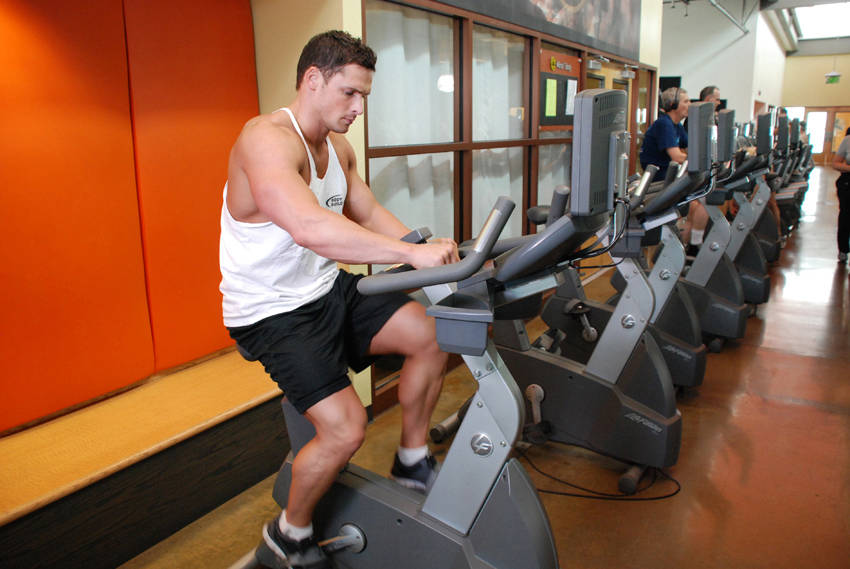
Spinning
Learn more about spinning beginner cardio
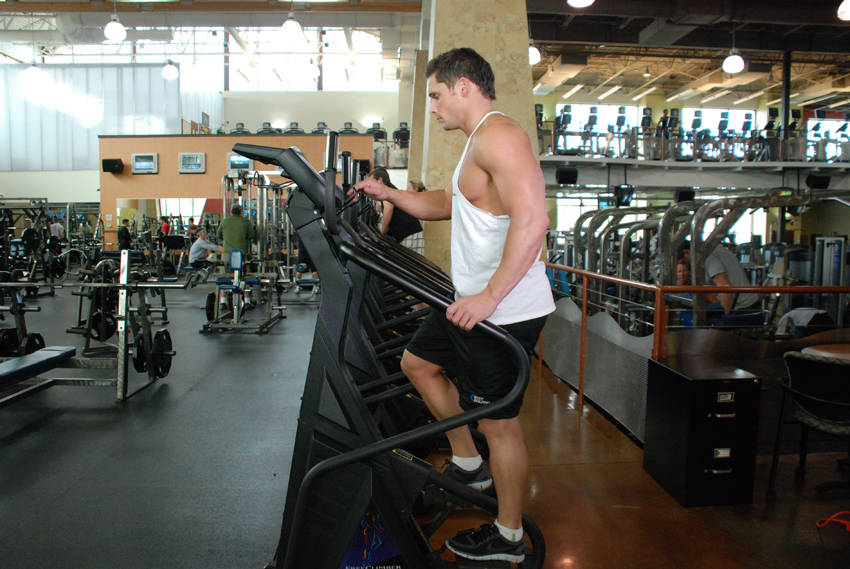
intermediate cardio