Seated Lateral Raise (Cable)
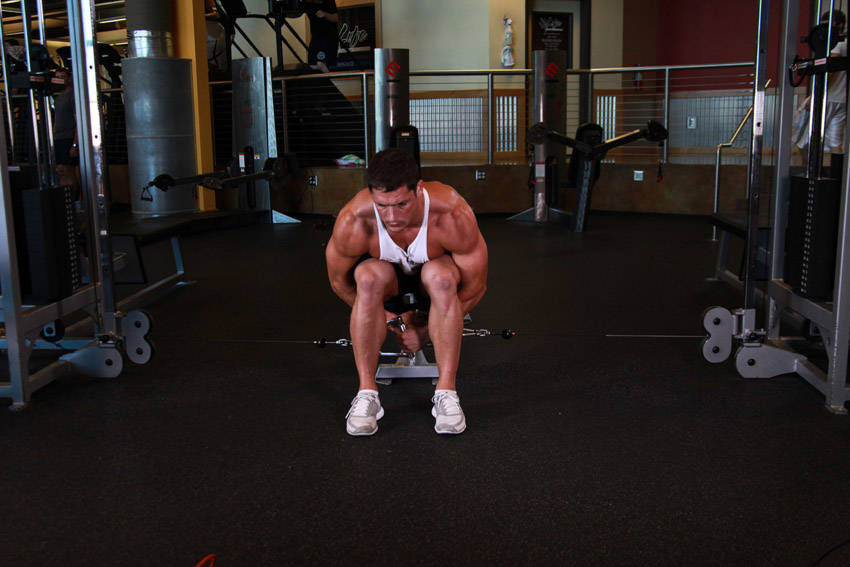
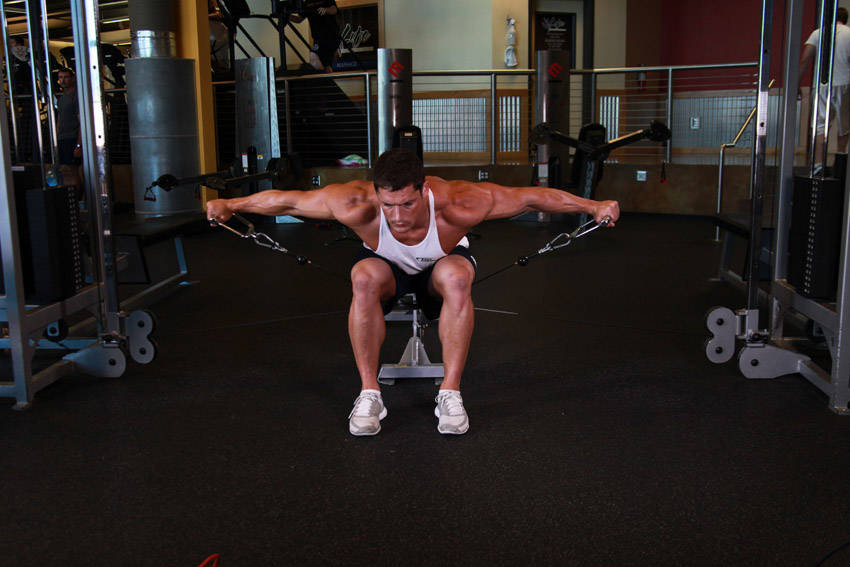
A shoulder isolation exercise using cables where you raise your arms out to the sides while seated with a forward-leaning posture to target the lateral deltoid.
Instructions
- Stand in the middle of two low pulleys that are opposite to each other and place a flat bench right behind you (in perpendicular fashion to you; the narrow edge of the bench should be the one behind you). Select the weight to be used on each pulley.
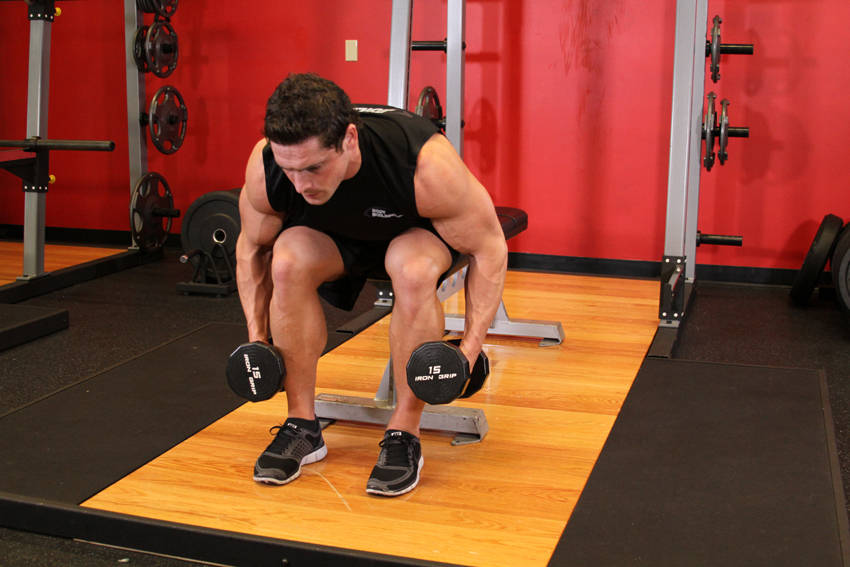
- Now sit at the edge of the flat bench behind you with your feet placed in front of your knees.
- Bend forward while keeping your back flat and rest your torso on the thighs.
- Have someone give you the single handles attached to the pulleys. Grasp the left pulley with the right hand and the right pulley with the left after you select your weight. The pulleys should run under your knees and your arms will be extended with palms facing each other and a slight bend at the elbows. This will be the starting position.
- While keeping the arms stationary, raise the upper arms to the sides until they are parallel to the floor and at shoulder height. Exhale during the execution of this movement and hold the contraction for a second.
- Slowly lower your arms to the starting position as you inhale.
- Repeat for the recommended amount of repetitions. Tip: Maintain upper arms perpendicular to torso and a fixed elbow position (10 degree to 30 degree angle) throughout exercise.
Tips
- The forward lean removes momentum and isolates the lateral deltoid effectively
- Keep a slight bend in your elbows throughout the movement
- Lead with your elbows rather than your hands to ensure proper shoulder mechanics
- Maintain constant tension and avoid resting at the bottom between reps
- The seated position with forward lean prevents cheating and ensures proper form
Recommended starting values
Sensible novice starting points for each goal, for a lifter aged 25–40. Scale down for smaller frames or older lifters. Treat the first set of any session as a discovery set.
| Goal | Sets | Reps | Weight | |
|---|---|---|---|---|
| Male | Female | |||
| Gain strength | 3 | 9 reps | 5 kg | 2.5 kg |
| Build muscle | 3 | 13 reps | 5 kg | 2.5 kg |
| Build endurance | 3 | 16 reps | 5 kg | 2.5 kg |
Alternatives
Exercises that target the same muscles with the same force and mechanic.
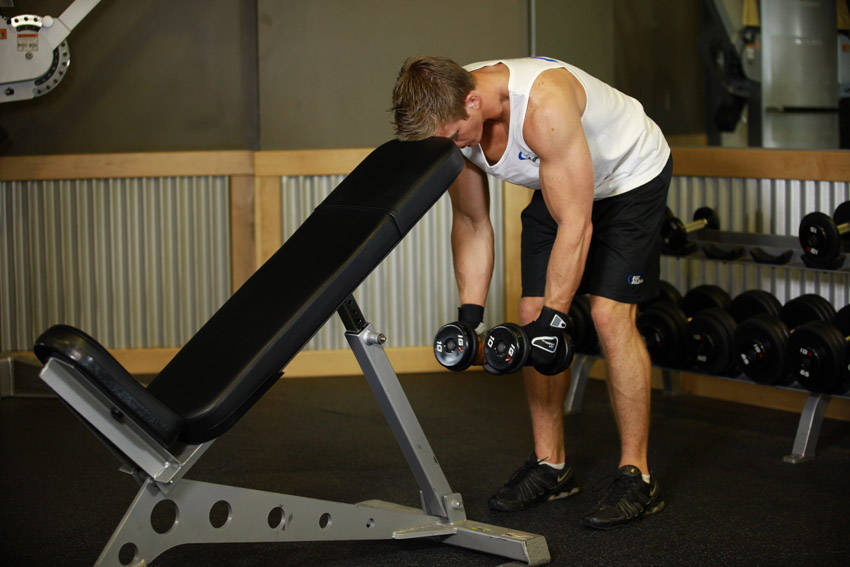
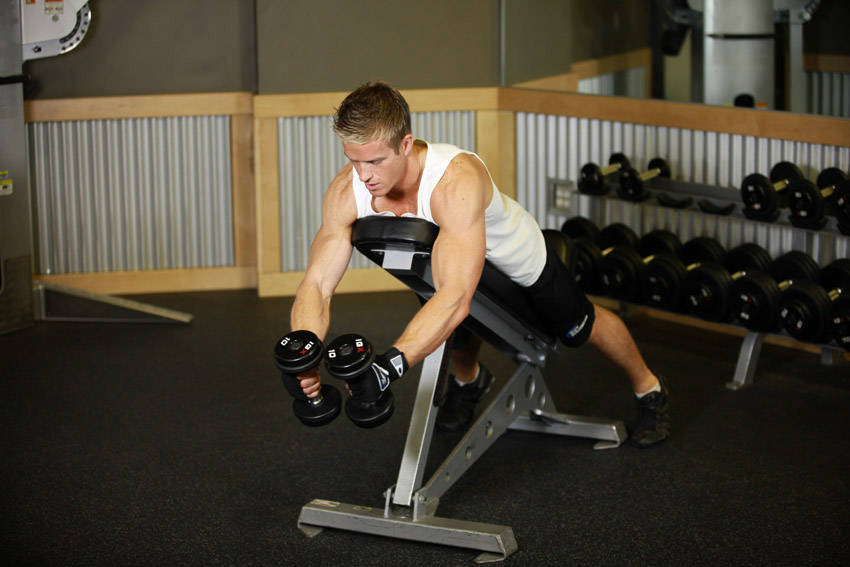
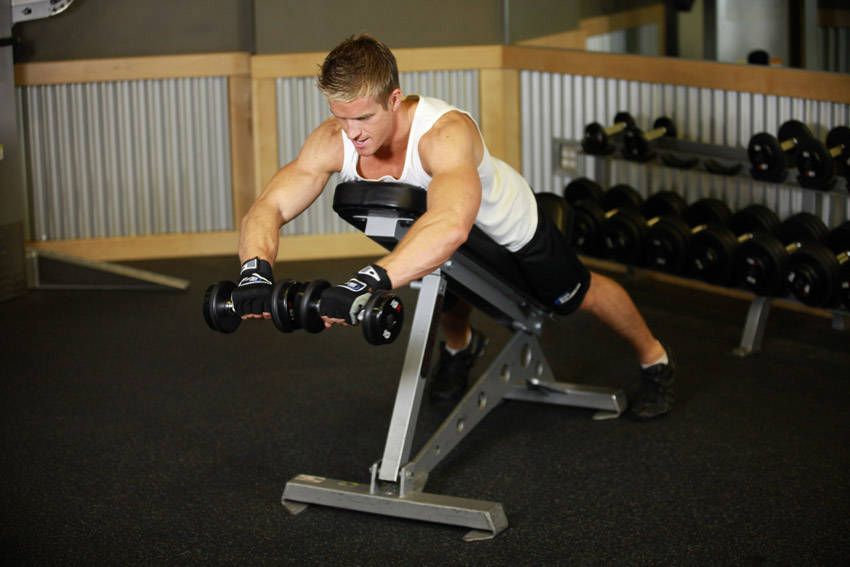
Bent Over Dumbbell Rear Delt Raise With Head On Bench
Learn more about bent over dumbbell rear delt raise with head on bench beginner strength
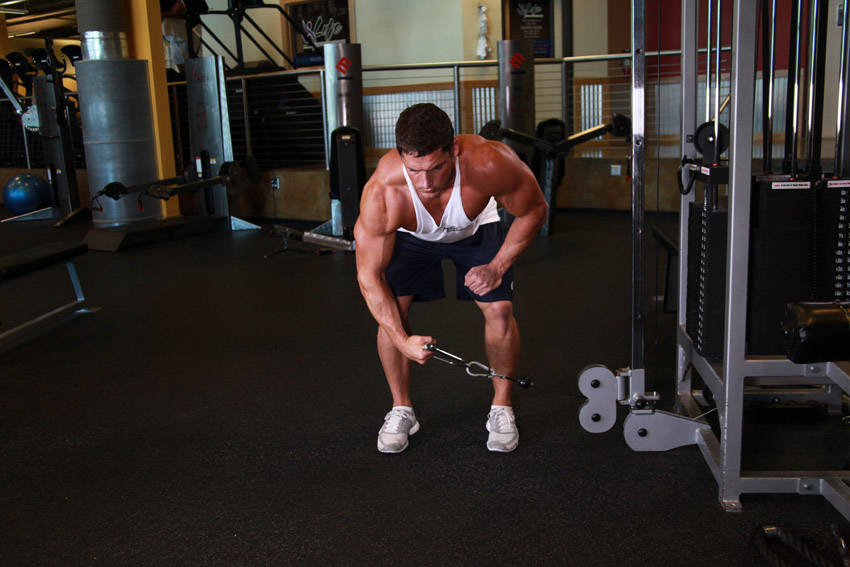
Bent Over Lateral Raise (Cable)
Learn more about bent over lateral raise (cable) intermediate strength
beginner strength
Bent Over Rear Delt Raise (Dumbbell)
Learn more about bent over rear delt raise (dumbbell) beginner strength
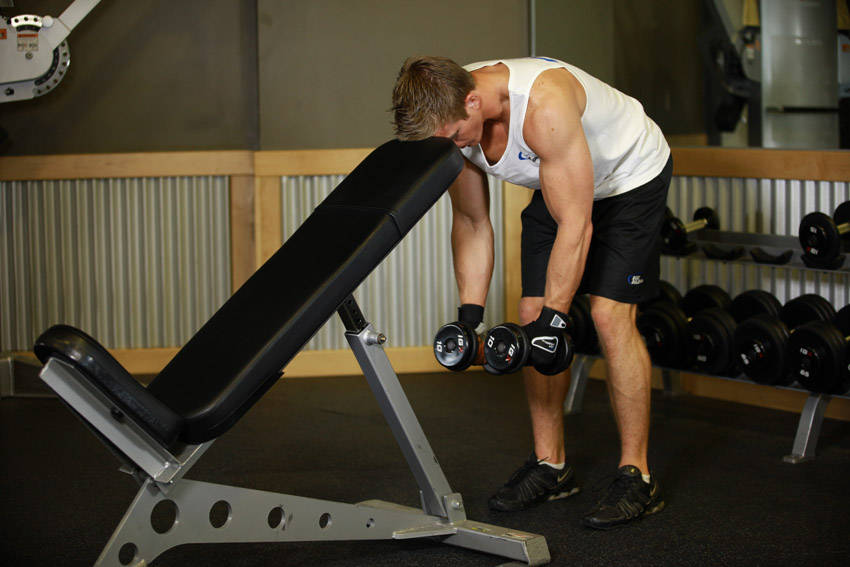
beginner strength
Diagonal Raise (Cable)
Learn more about diagonal raise (cable) intermediate strength
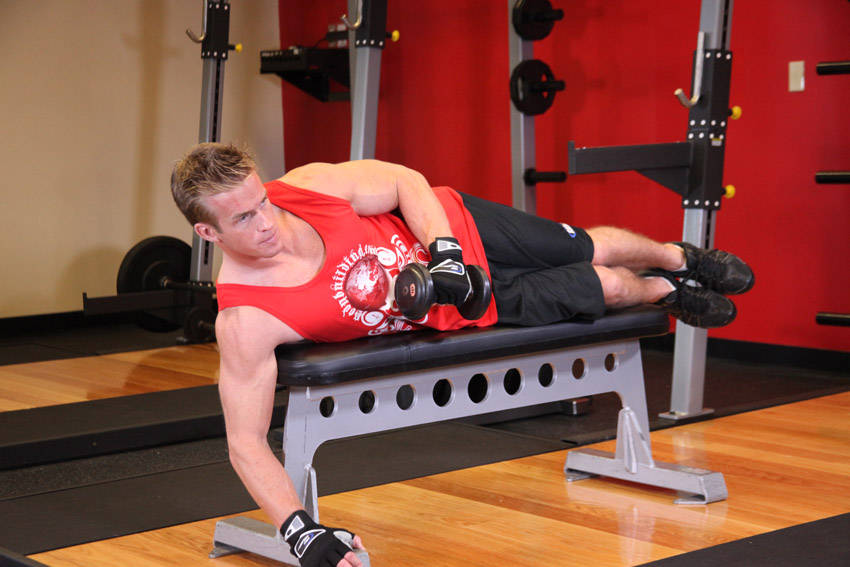
beginner strength
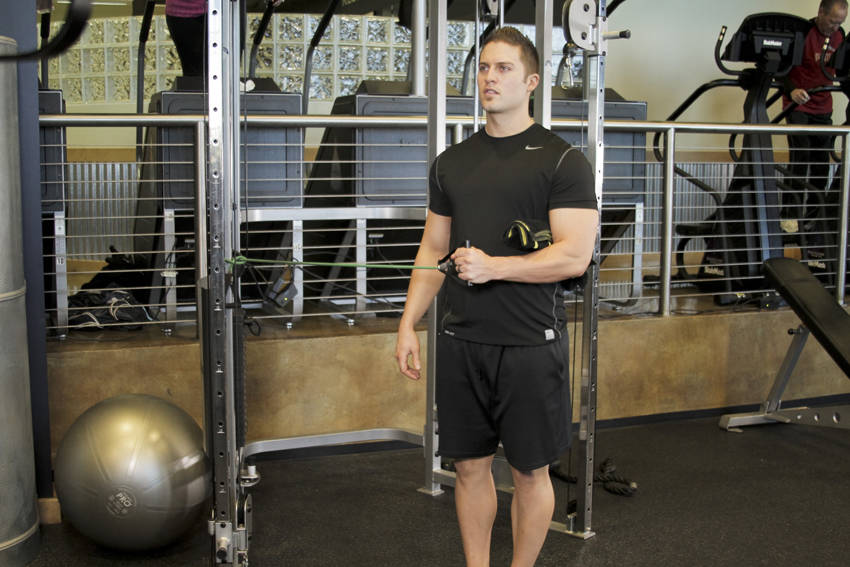
beginner strength
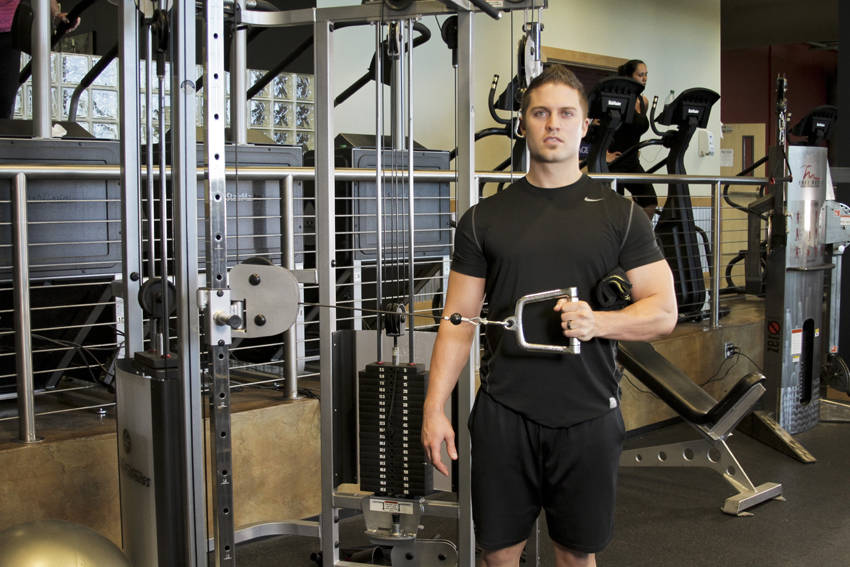
beginner strength
Landmine Rear Delt Fly (Barbell)
Learn more about landmine rear delt fly (barbell) intermediate strength
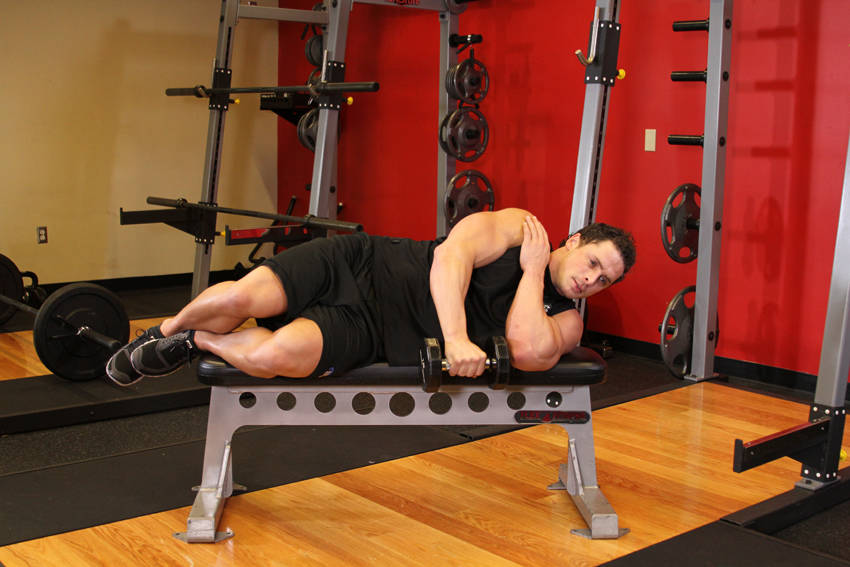
intermediate strength
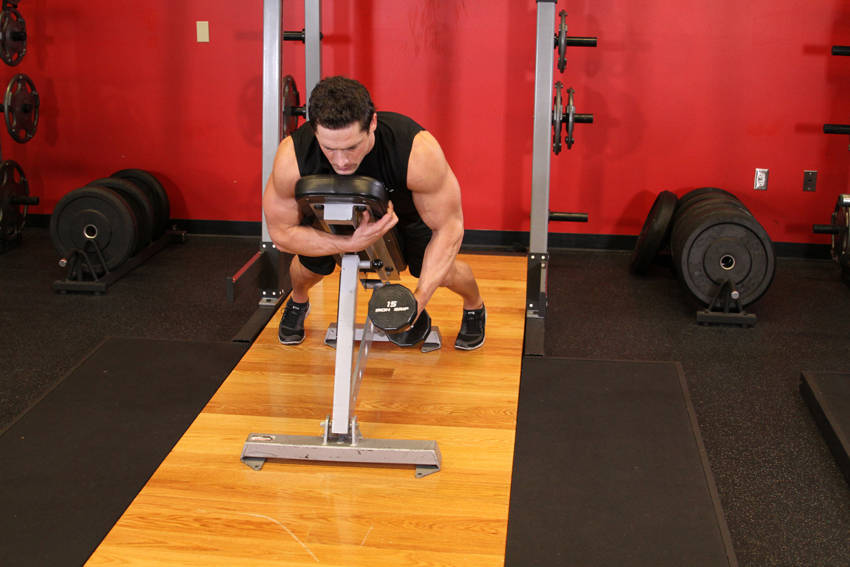
Lying One-Arm Rear Lateral Raise (Dumbbell)
Learn more about lying one-arm rear lateral raise (dumbbell) intermediate strength
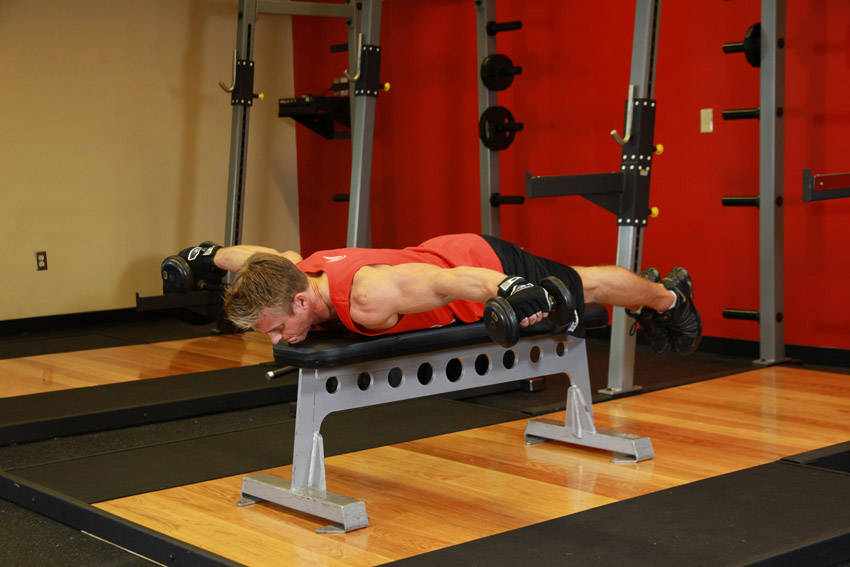
intermediate strength
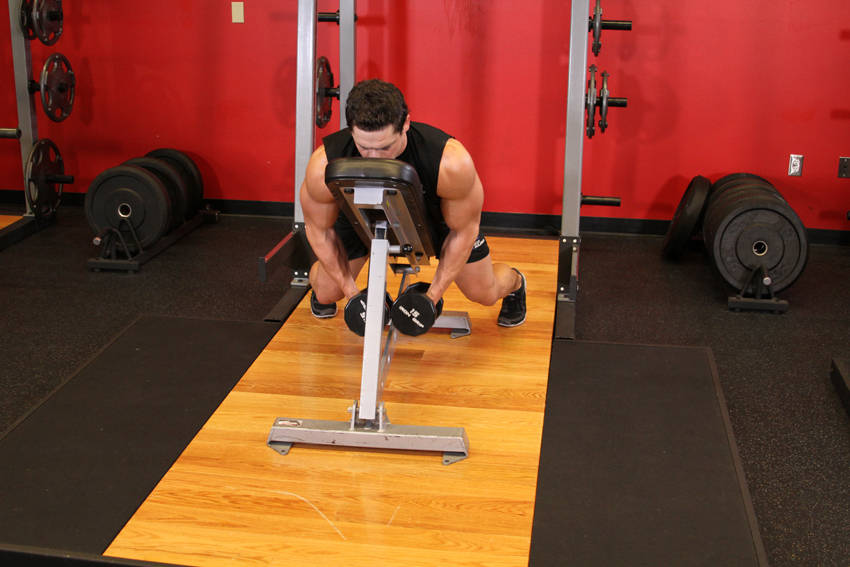
intermediate strength
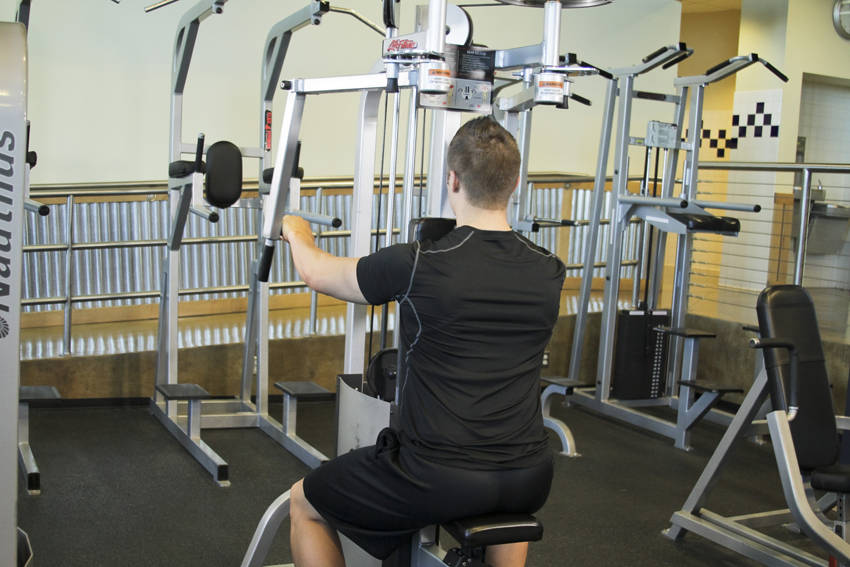
Machine Rear Delt Fly
Learn more about machine rear delt fly beginner strength
Machine Rear Delt Row
Learn more about machine rear delt row beginner strength
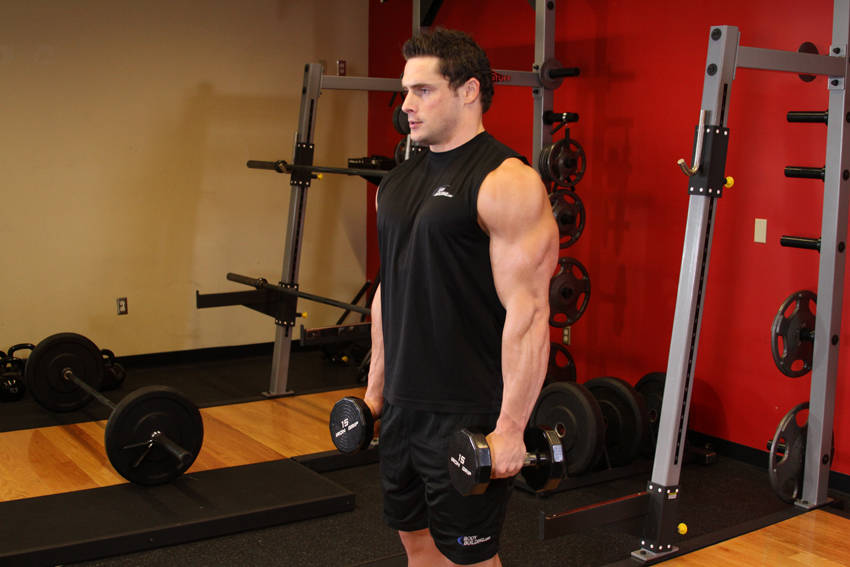
Prone YTW Raise (Dumbbell)
Learn more about prone ytw raise (dumbbell) intermediate strength
beginner strength
beginner strength
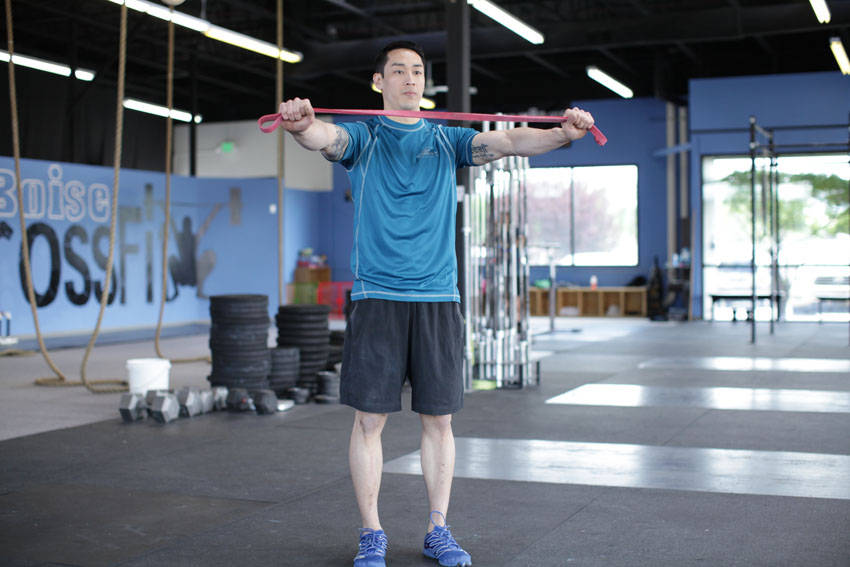
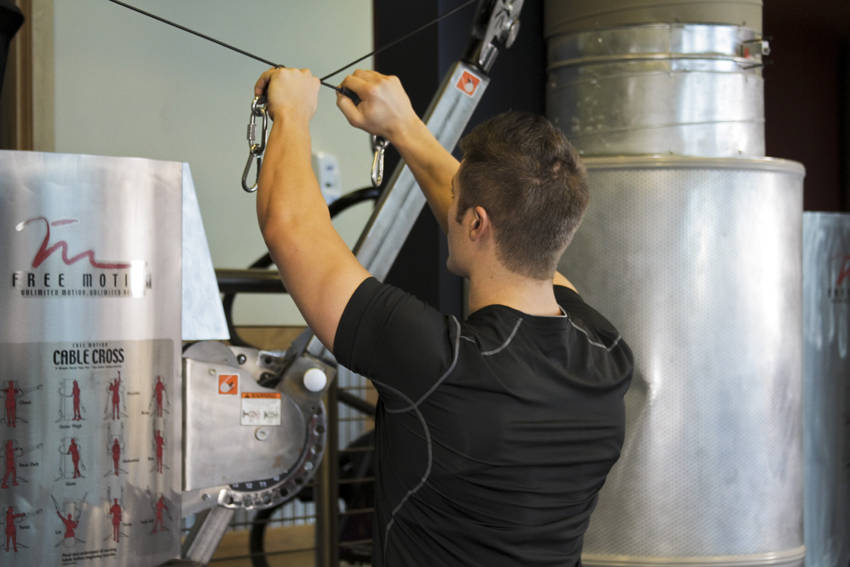
Rear Delt Fly (Band)
Learn more about rear delt fly (band) beginner strength
beginner strength
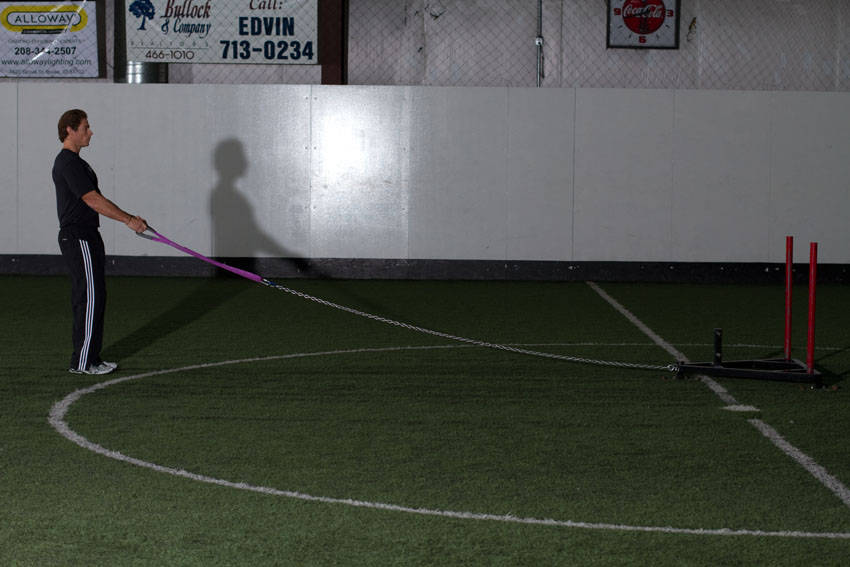
Rear Delt Fly (Sled)
Learn more about rear delt fly (sled) beginner strength
Rear Delt Fly (TRX / Suspension Trainer)
Learn more about rear delt fly (trx / suspension trainer) intermediate strength
Rear Delt Raises
Learn more about rear delt raises intermediate strength
Rear Delt Row (Smith Machine)
Learn more about rear delt row (smith machine) intermediate strength
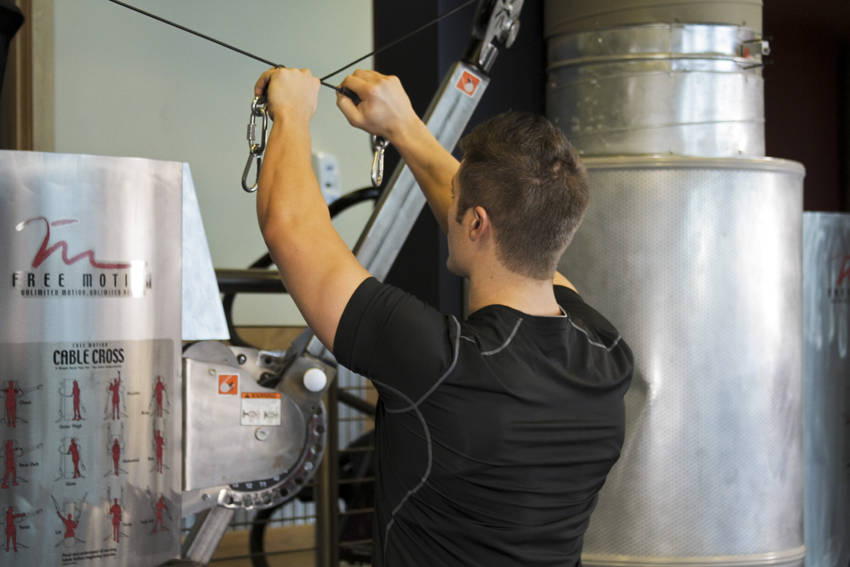
Reverse Fly (Band)
Learn more about reverse fly (band) beginner strength
intermediate strength
beginner strength
beginner strength
intermediate strength
beginner strength
intermediate strength