Lying Rear Delt Raise
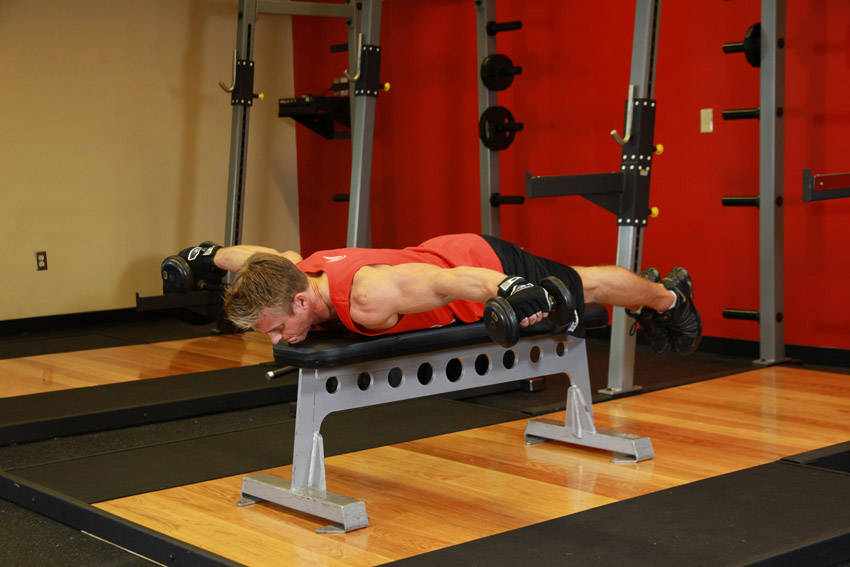
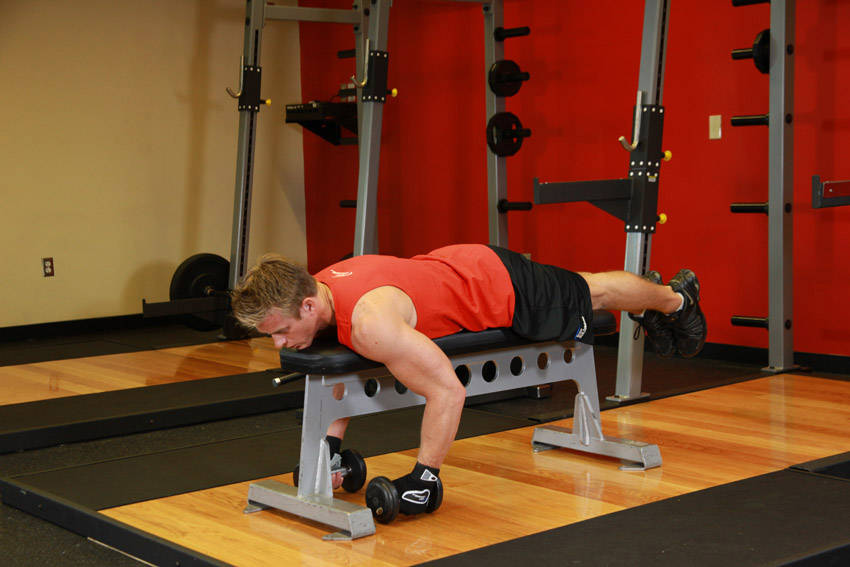
An intermediate isolation exercise for the rear deltoids and upper back performed lying prone on a bench, targeting posterior shoulder development.
Instructions
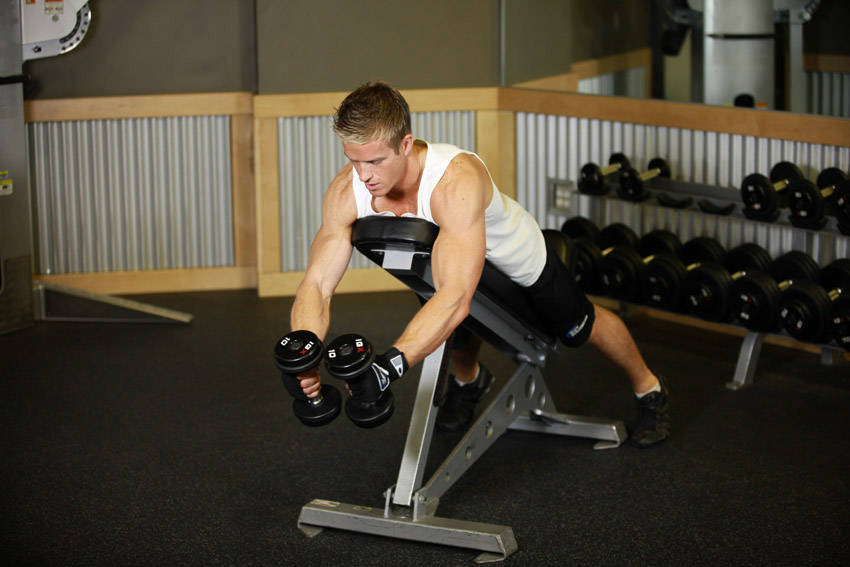
- While holding a dumbbell in each hand, lie with your chest down on a flat bench.
- Position your body so your torso is fully supported by the bench from chest to hips.
- Let your arms hang down on either side of the bench with a slight bend in your elbows.
- Position your palms in a neutral manner facing your torso toward each other; this is your starting position.
- Keeping your torso flat on the bench and elbows slightly bent, slowly raise both arms to the sides.
- Continue the movement until your elbows reach approximately shoulder height and your arms are roughly parallel to the floor.
- Hold the contracted position at the top for a second, squeezing your rear deltoids and upper back.
- Maintain your arms perpendicular to your torso and extended throughout the movement.
- Slowly lower the dumbbells back to the starting position in a controlled manner.
- Repeat for the recommended amount of repetitions.
Tips
- Keep your torso completely flat on the bench throughout; avoid lifting your hips or rotating your body.
- Move deliberately and controlled; jerky motions reduce rear delt engagement and increase injury risk.
- The prone position eliminates body momentum, forcing your posterior shoulders to do all the work for maximum isolation.
- Lower the dumbbells slowly; the eccentric (lowering) phase is crucial for posterior shoulder development.
- Start with lighter weights than you’d use for other shoulder exercises to maintain proper form and control.
- This exercise is excellent for correcting postural imbalances and developing shoulder stability and strength.
Recommended starting values
Sensible novice starting points for each goal, for a lifter aged 25–40. Scale down for smaller frames or older lifters. Treat the first set of any session as a discovery set.
| Goal | Sets | Reps | Weight | |
|---|---|---|---|---|
| Male | Female | |||
| Gain strength | 3 | 9 reps | 4 kg | 2 kg |
| Build muscle | 3 | 13 reps | 4 kg | 2 kg |
| Build endurance | 3 | 16 reps | 3 kg | 2 kg |
Alternatives
Exercises that target the same muscles with the same force and mechanic.
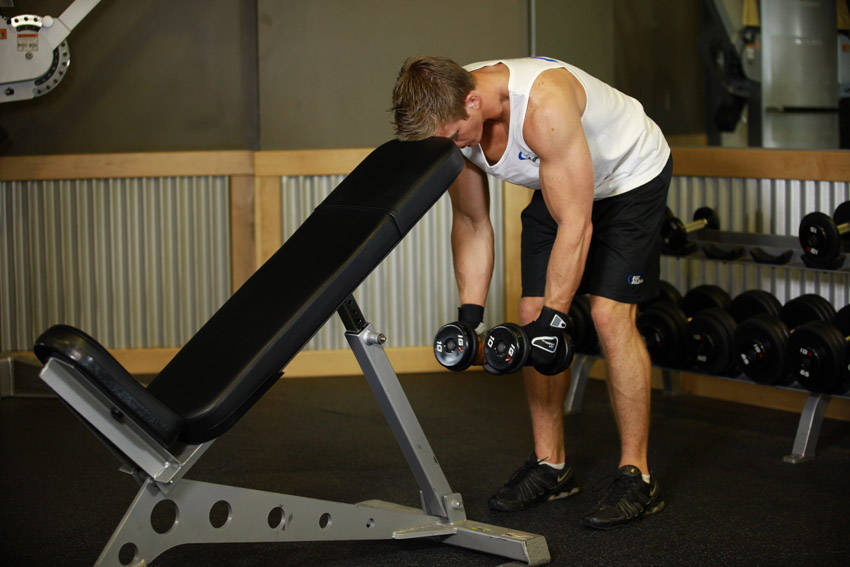
Bent Over Dumbbell Rear Delt Raise With Head On Bench
Learn more about bent over dumbbell rear delt raise with head on bench beginner strength
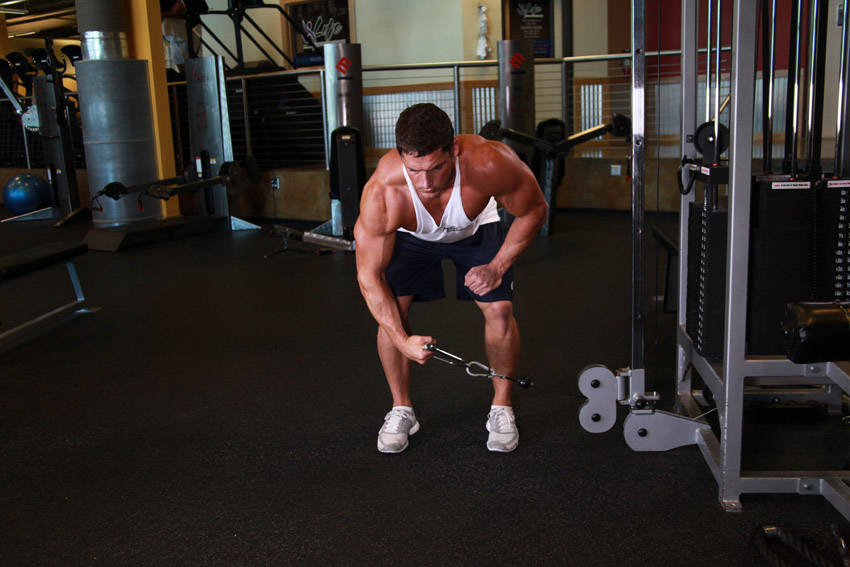
Bent Over Lateral Raise (Cable)
Learn more about bent over lateral raise (cable) intermediate strength
beginner strength
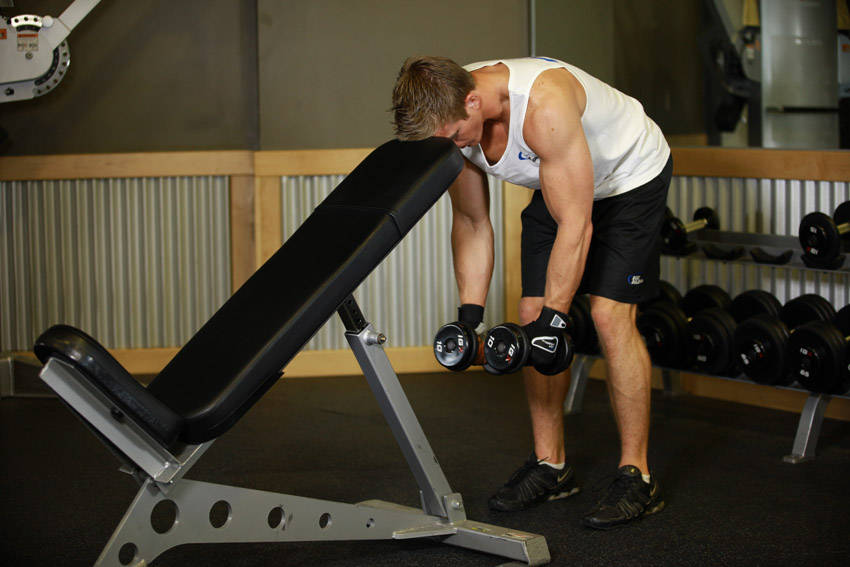
Bent Over Rear Delt Raise (Dumbbell)
Learn more about bent over rear delt raise (dumbbell) beginner strength
beginner strength
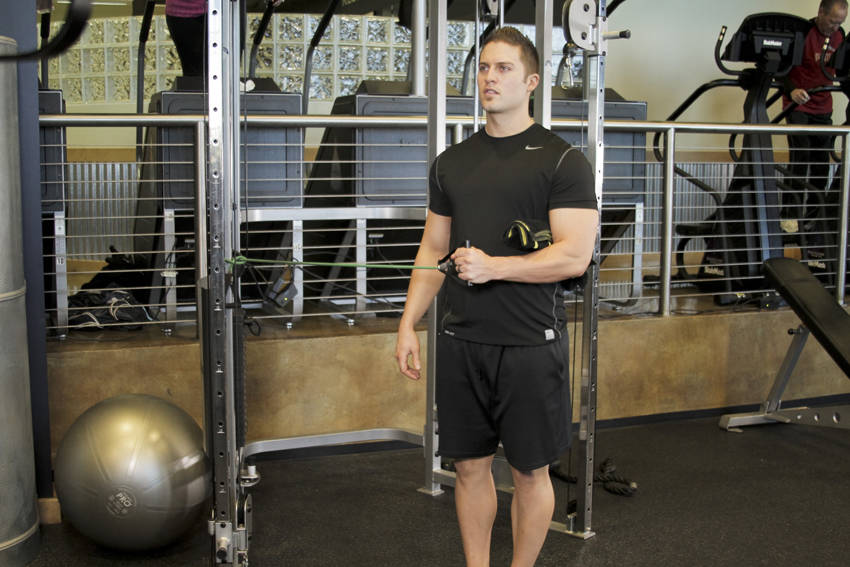
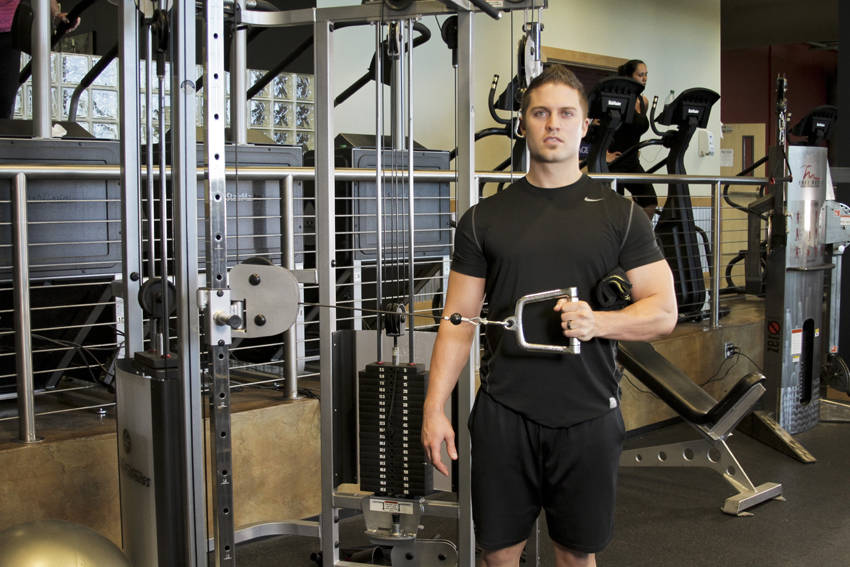
Diagonal Raise (Cable)
Learn more about diagonal raise (cable) intermediate strength
beginner strength
beginner strength
beginner strength
Landmine Rear Delt Fly (Barbell)
Learn more about landmine rear delt fly (barbell) intermediate strength
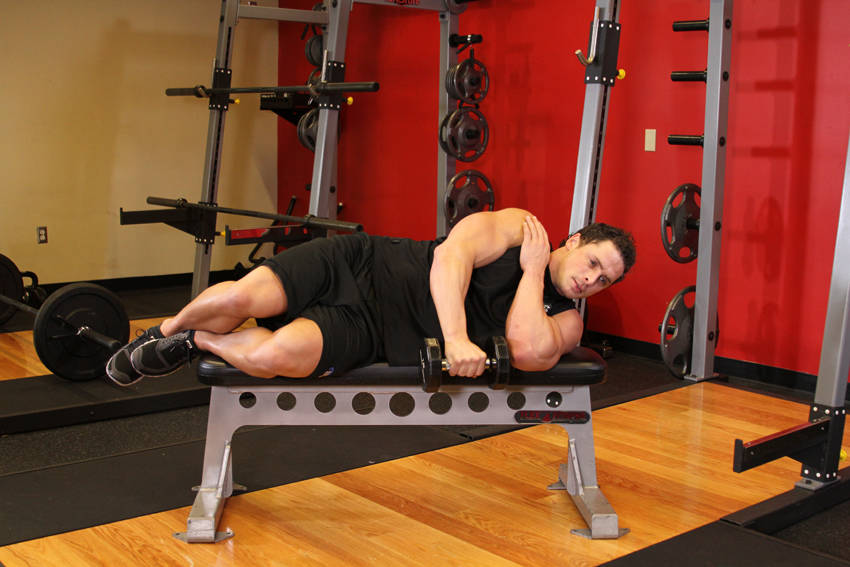
intermediate strength
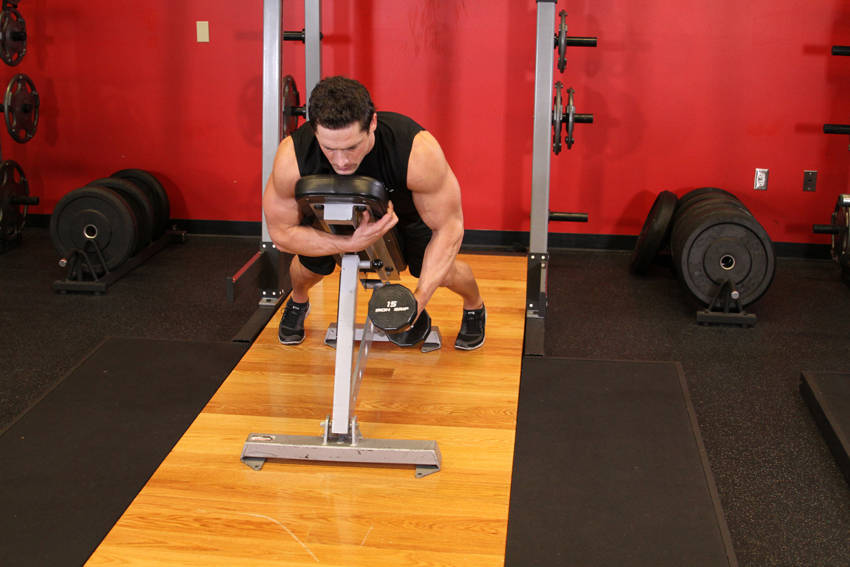
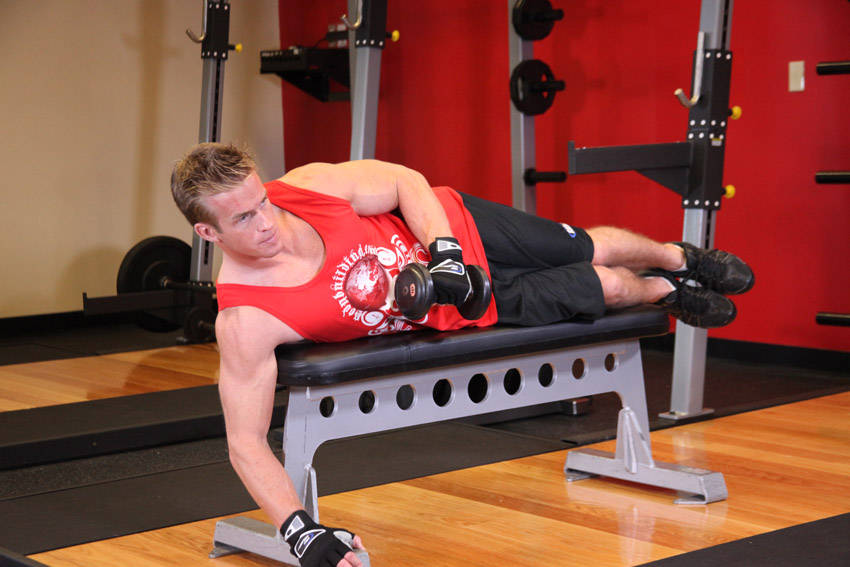
Lying One-Arm Rear Lateral Raise (Dumbbell)
Learn more about lying one-arm rear lateral raise (dumbbell) intermediate strength
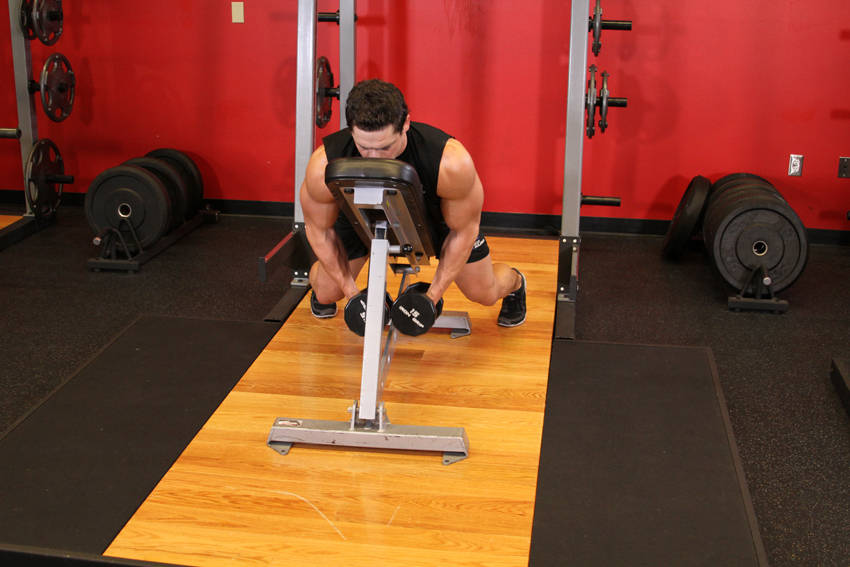
intermediate strength
Machine Rear Delt Fly
Learn more about machine rear delt fly beginner strength
Machine Rear Delt Row
Learn more about machine rear delt row beginner strength
Prone YTW Raise (Dumbbell)
Learn more about prone ytw raise (dumbbell) intermediate strength
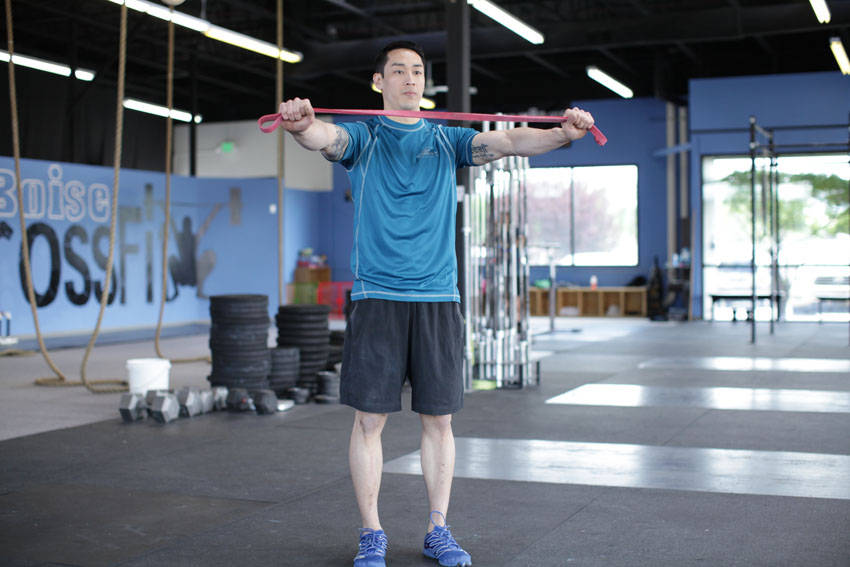
beginner strength
beginner strength
Rear Delt Fly (Band)
Learn more about rear delt fly (band) beginner strength
beginner strength
Rear Delt Fly (Sled)
Learn more about rear delt fly (sled) beginner strength
Rear Delt Fly (TRX / Suspension Trainer)
Learn more about rear delt fly (trx / suspension trainer) intermediate strength
Rear Delt Raises
Learn more about rear delt raises intermediate strength
Rear Delt Row (Smith Machine)
Learn more about rear delt row (smith machine) intermediate strength
Reverse Fly (Band)
Learn more about reverse fly (band) beginner strength
intermediate strength
beginner strength
beginner strength

intermediate strength
beginner strength
intermediate strength
beginner strength