Reverse Flyes With External Rotation
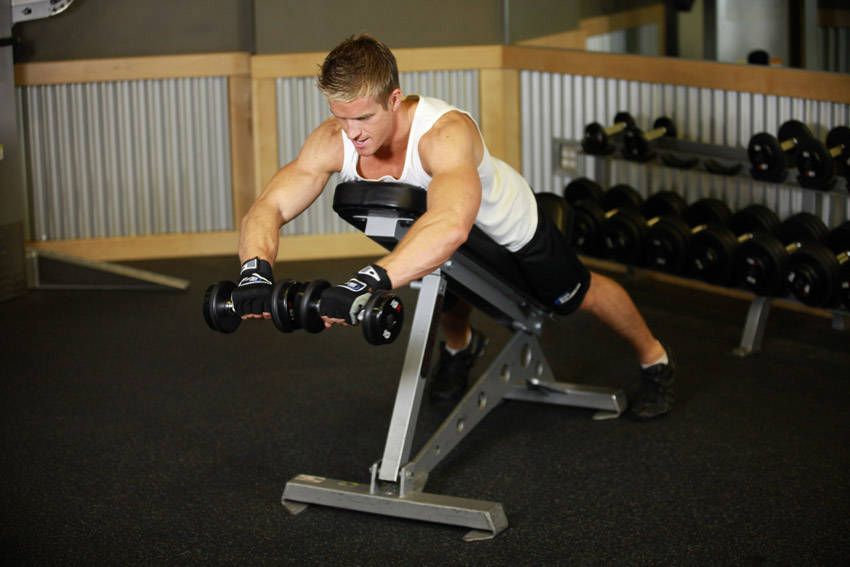
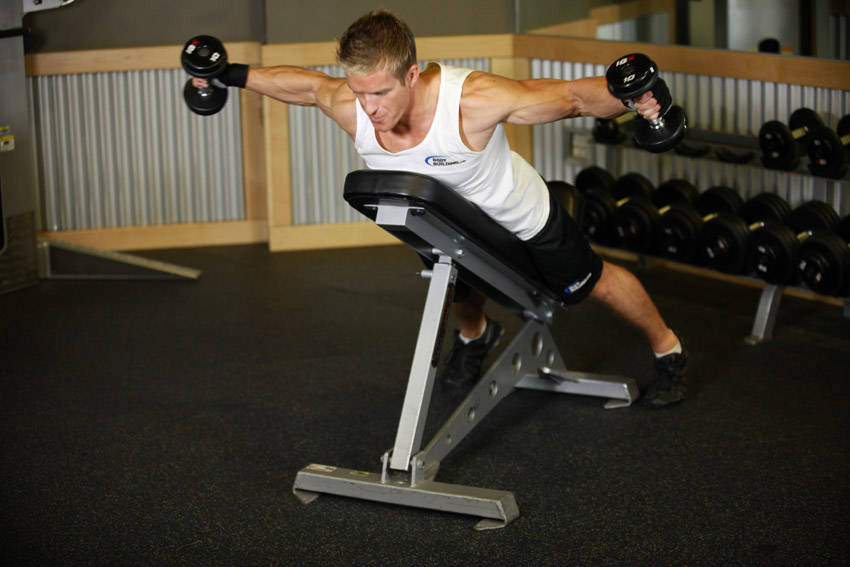
An advanced shoulder isolation exercise combining reverse flyes with external rotation, targeting the rear delts and rotator cuff while improving shoulder stability.
Instructions
- To begin, lie down on an incline bench set at a 30-degree angle with the chest and stomach pressing against the incline.
- Have the dumbbells in each hand with the palms facing down to the floor. Your arms should be in front of you so that they are perpendicular to the angle of the bench. Your elbows should have a slight bend. The legs should be stationary while applying pressure with the ball of your toes (your heels should not be touching the floor). This is the starting position.
- Maintaining the slight bend of the elbows, move the weights out and away from each other in an arc motion while exhaling.
- As you lift the weight, your wrist should externally rotate by 90-degrees so that you go from a palms down (pronated) grip to a palms facing each other (neutral) grip. Try to squeeze your shoulder blades together to get the best results from this exercise.
- The arms should be elevated until they are level with the head.
- Feel the contraction and slowly lower the weights back down to the starting position while inhaling.
- Repeat for the recommended amount of repetitions.
Tips
- The external rotation component adds significant rotator cuff activation and shoulder stability development.
- Keep the movement smooth and controlled, focusing on the shoulder blades and rotator cuff engagement.
- The pronated to neutral grip rotation requires coordination and shoulder mobility.
- This exercise is excellent for shoulder health and posterior chain development.
- Use lighter weights than standard flyes to accommodate the rotational component.
- This is a valuable movement for addressing posterior shoulder weakness and improving shoulder stability.
Recommended starting values
Sensible novice starting points for each goal, for a lifter aged 25–40. Scale down for smaller frames or older lifters. Treat the first set of any session as a discovery set.
| Goal | Sets | Reps | Weight | |
|---|---|---|---|---|
| Male | Female | |||
| Gain strength | 3 | 9 reps | 4 kg | 2 kg |
| Build muscle | 3 | 13 reps | 4 kg | 2 kg |
| Build endurance | 3 | 16 reps | 3 kg | 2 kg |
Alternatives
Exercises that target the same muscles with the same force and mechanic.
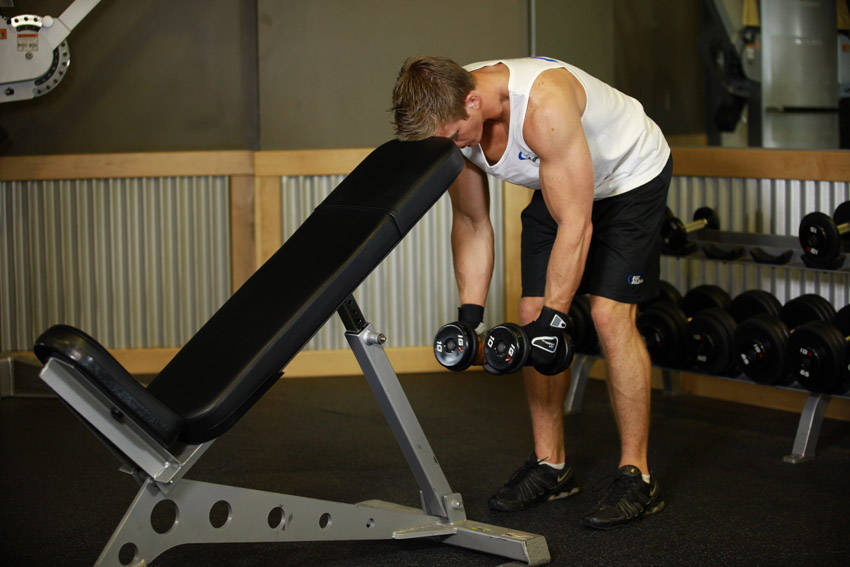
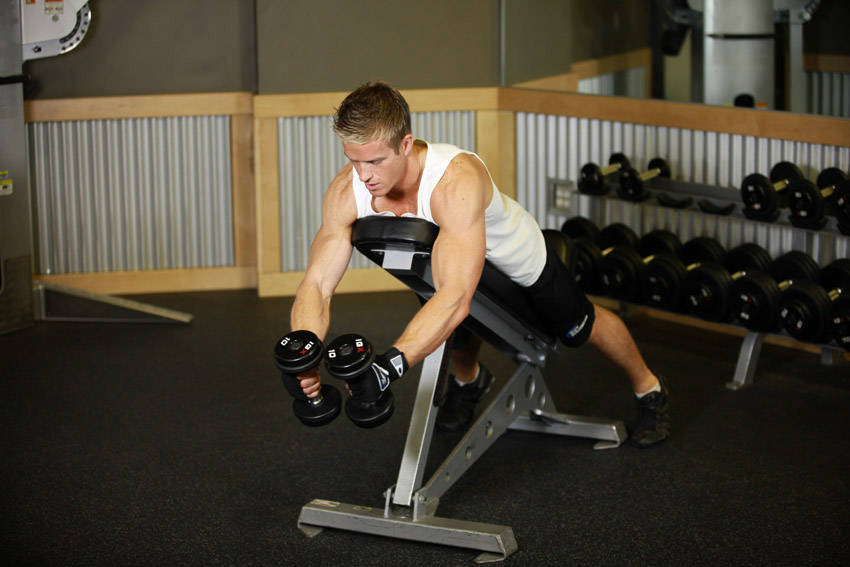
Bent Over Dumbbell Rear Delt Raise With Head On Bench
Learn more about bent over dumbbell rear delt raise with head on bench beginner strength
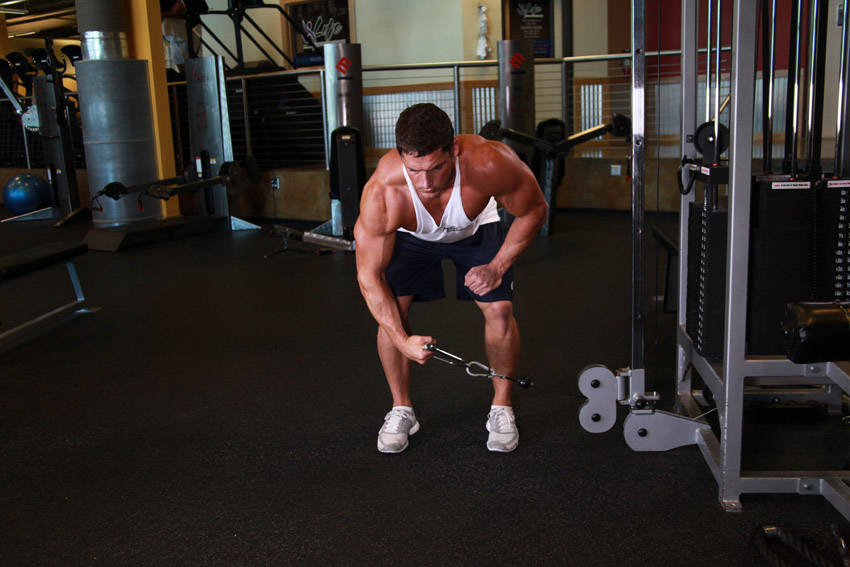
Bent Over Lateral Raise (Cable)
Learn more about bent over lateral raise (cable) intermediate strength
beginner strength
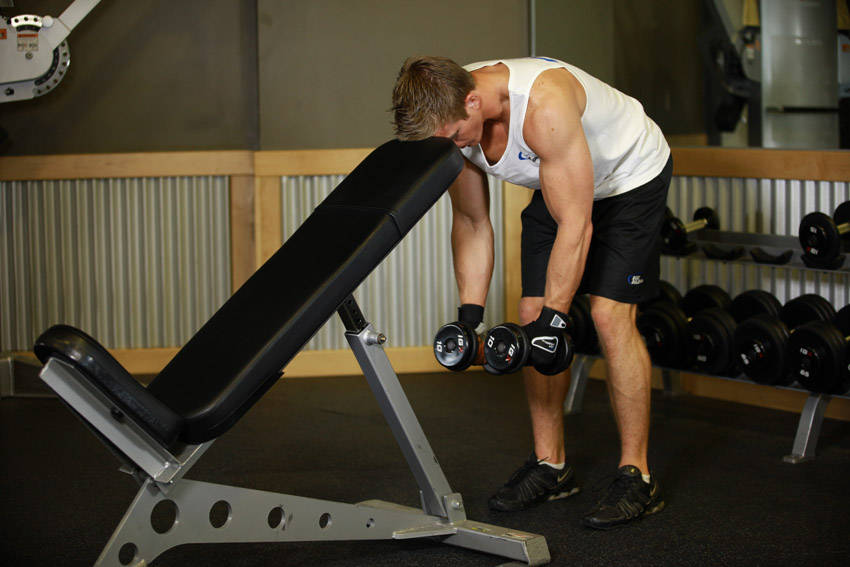
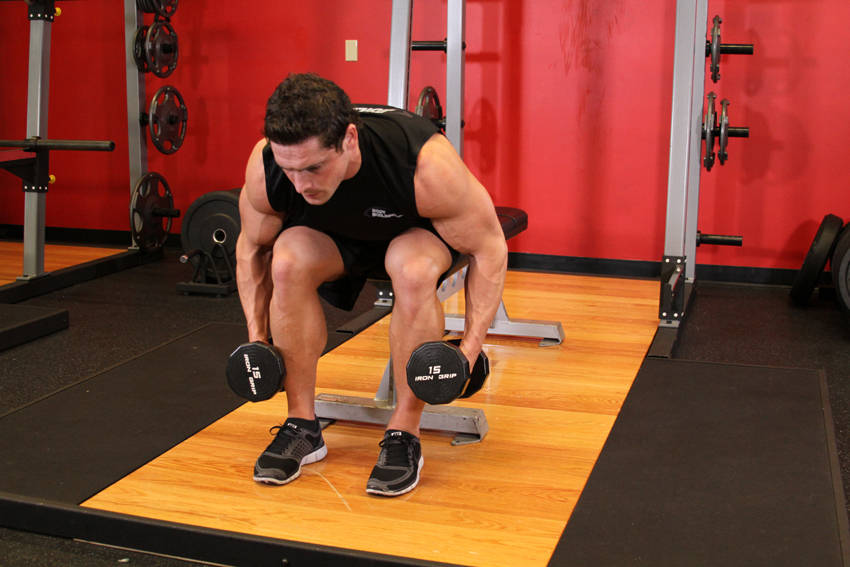
Bent Over Rear Delt Raise (Dumbbell)
Learn more about bent over rear delt raise (dumbbell) beginner strength
beginner strength
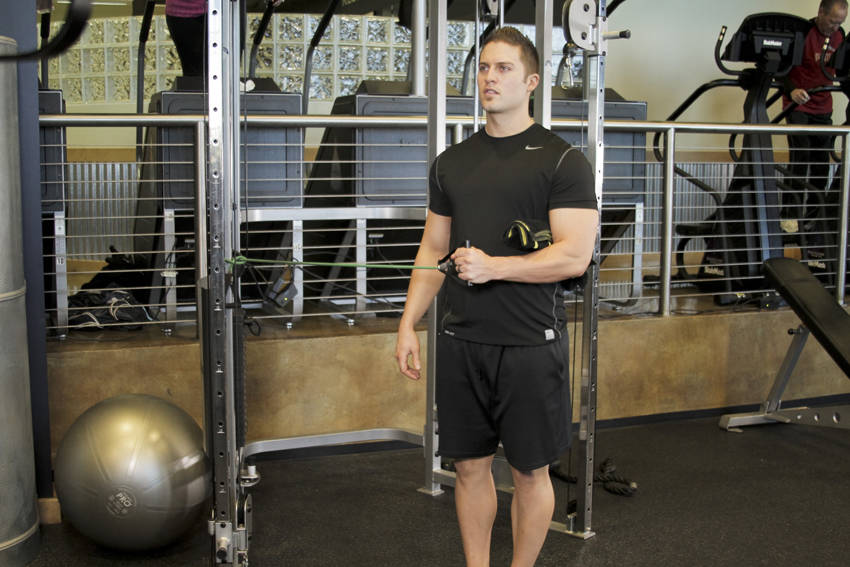
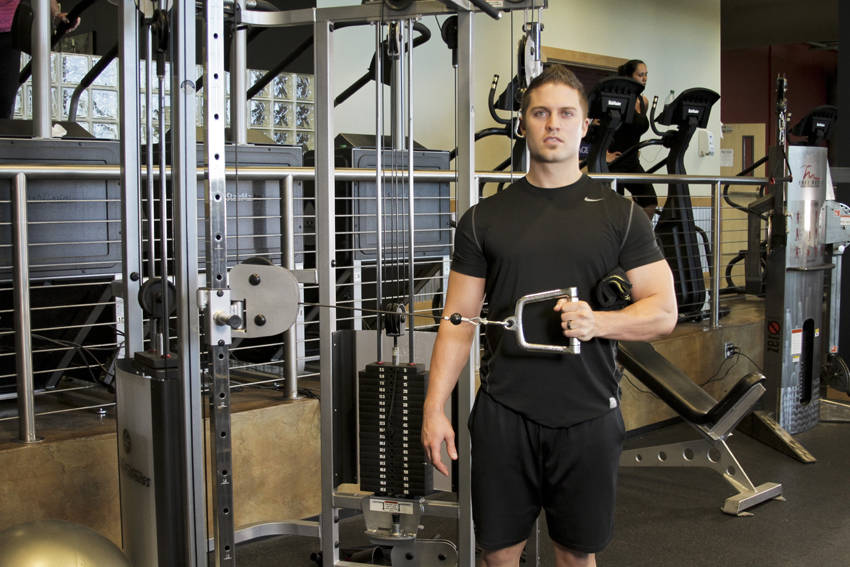
Diagonal Raise (Cable)
Learn more about diagonal raise (cable) intermediate strength
beginner strength
beginner strength
beginner strength
Landmine Rear Delt Fly (Barbell)
Learn more about landmine rear delt fly (barbell) intermediate strength
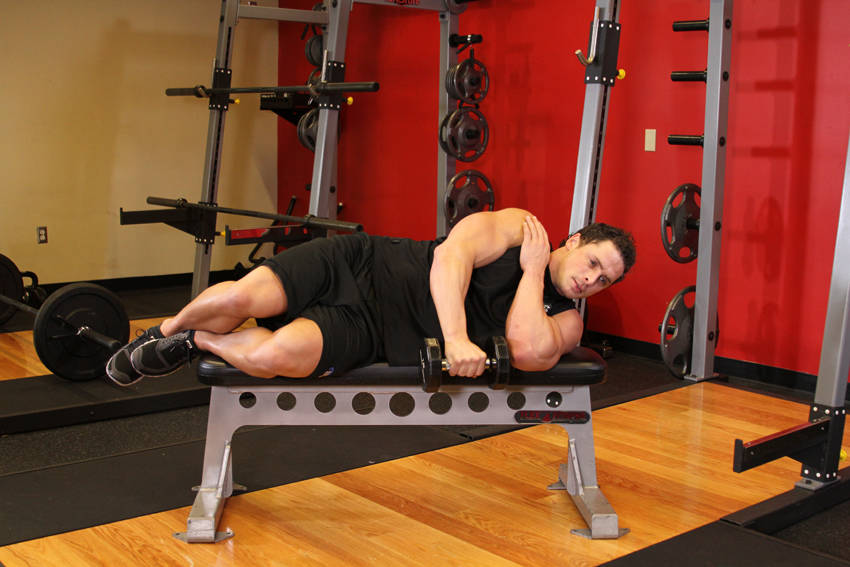
intermediate strength
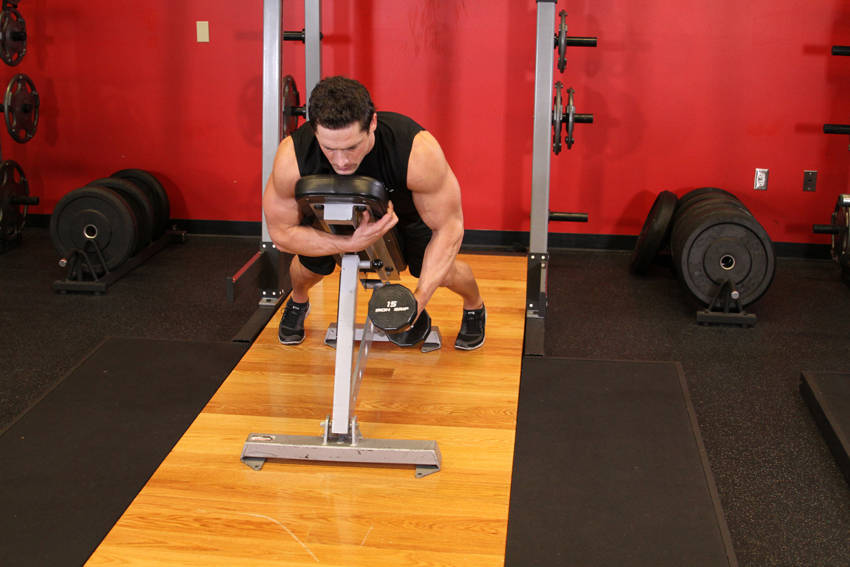
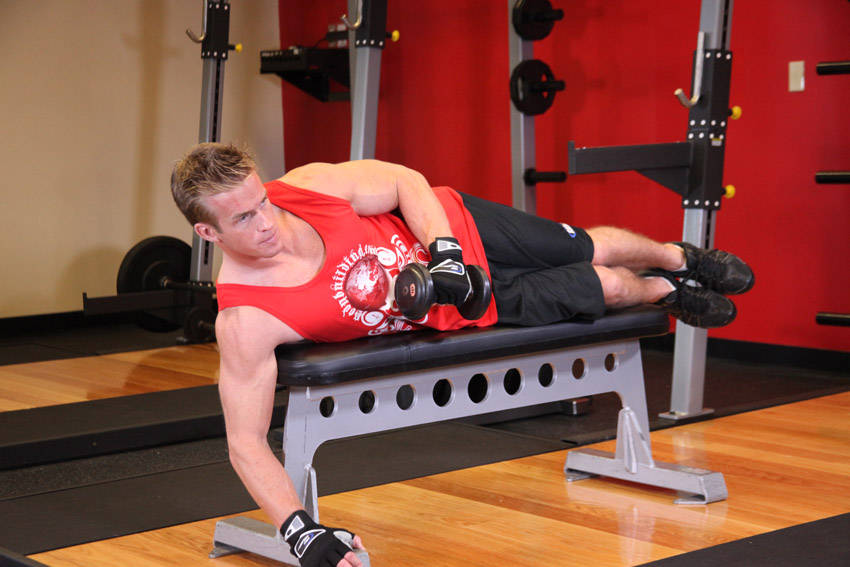
Lying One-Arm Rear Lateral Raise (Dumbbell)
Learn more about lying one-arm rear lateral raise (dumbbell) intermediate strength
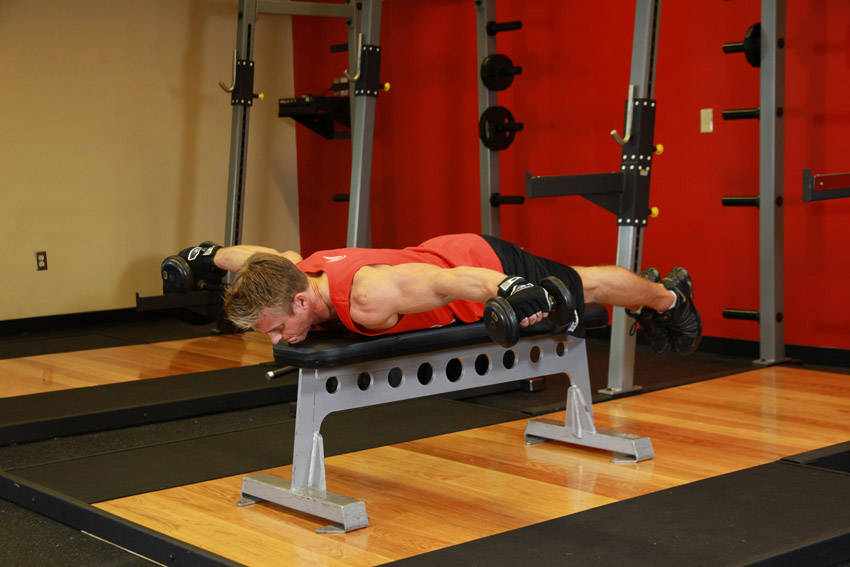
intermediate strength
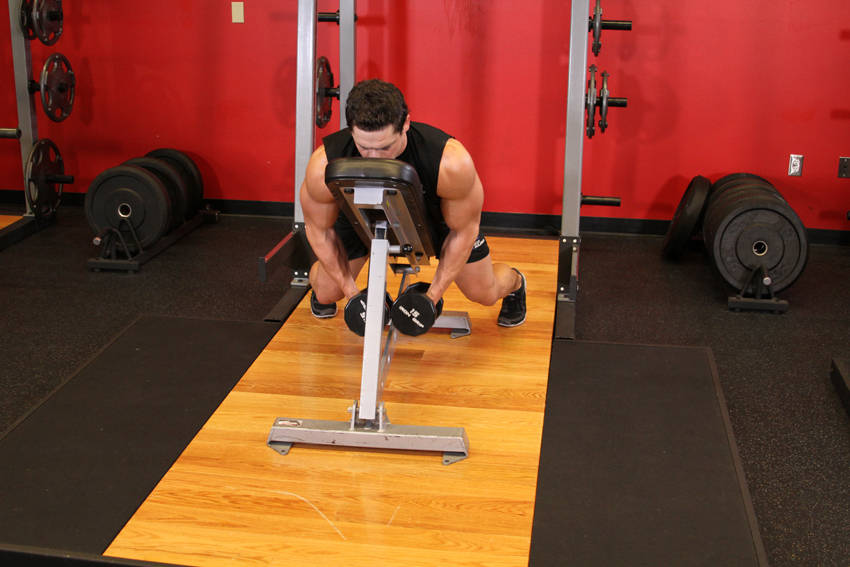
intermediate strength
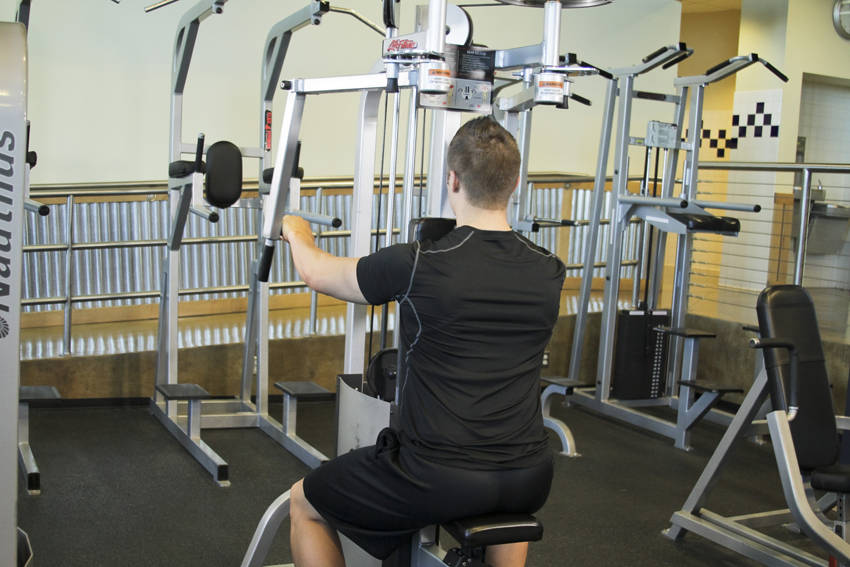
Machine Rear Delt Fly
Learn more about machine rear delt fly beginner strength
Machine Rear Delt Row
Learn more about machine rear delt row beginner strength
Prone YTW Raise (Dumbbell)
Learn more about prone ytw raise (dumbbell) intermediate strength
beginner strength
beginner strength
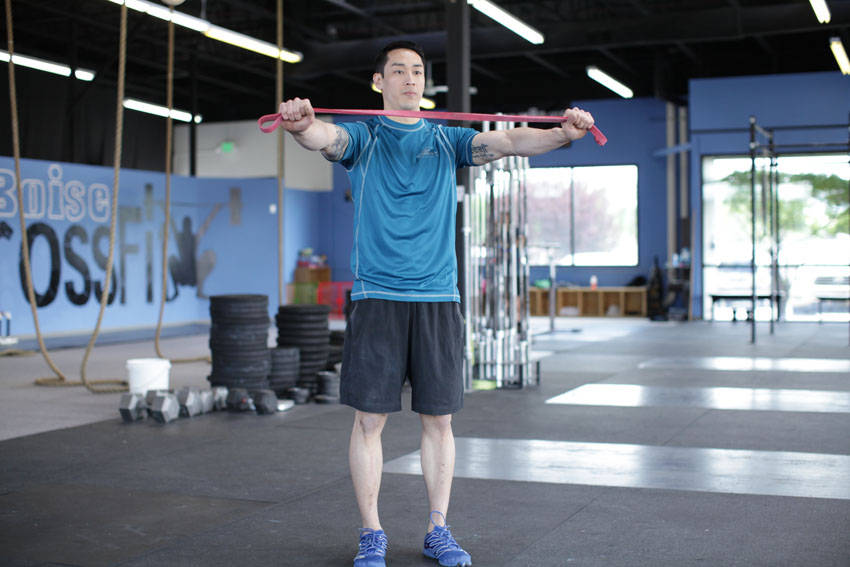
Rear Delt Fly (Band)
Learn more about rear delt fly (band) beginner strength
beginner strength
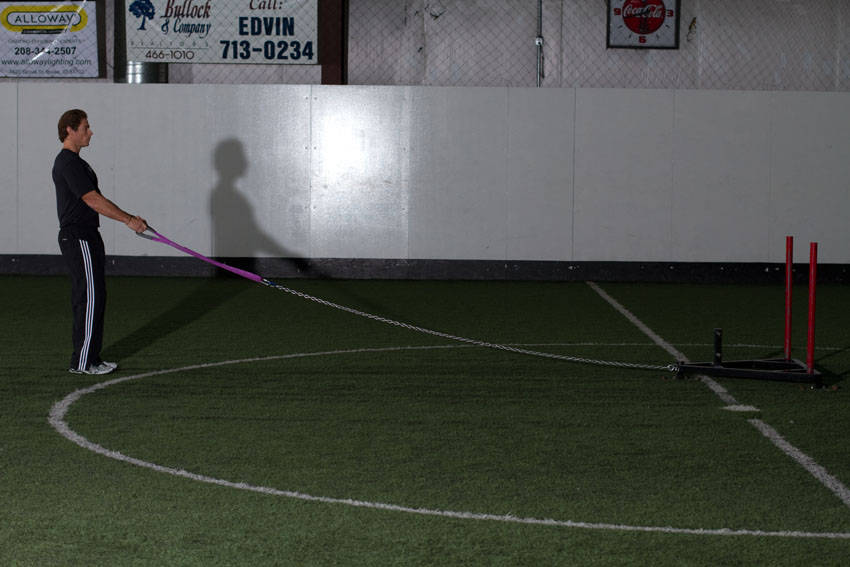
Rear Delt Fly (Sled)
Learn more about rear delt fly (sled) beginner strength
Rear Delt Fly (TRX / Suspension Trainer)
Learn more about rear delt fly (trx / suspension trainer) intermediate strength
Rear Delt Raises
Learn more about rear delt raises intermediate strength
Rear Delt Row (Smith Machine)
Learn more about rear delt row (smith machine) intermediate strength
Reverse Fly (Band)
Learn more about reverse fly (band) beginner strength
intermediate strength
beginner strength
beginner strength
beginner strength
intermediate strength
beginner strength